Stop Wasting Your Restaurant’s Ad Spend!
Why the OFFER is Everything!
A restaurant marketing campaign is only as strong as its core offer. To ensure a high redemption rate, the incentive must offer substantial enough value to motivate the guest; negligible discounts often result in poor campaign engagement. For optimal results, this value-driven offer should be executed through a comprehensive marketing stack, leveraging the reach of Facebook, Instagram, Google, YouTube and TikTok, while utilizing Email and SMS for direct attribution and performance tracking.”
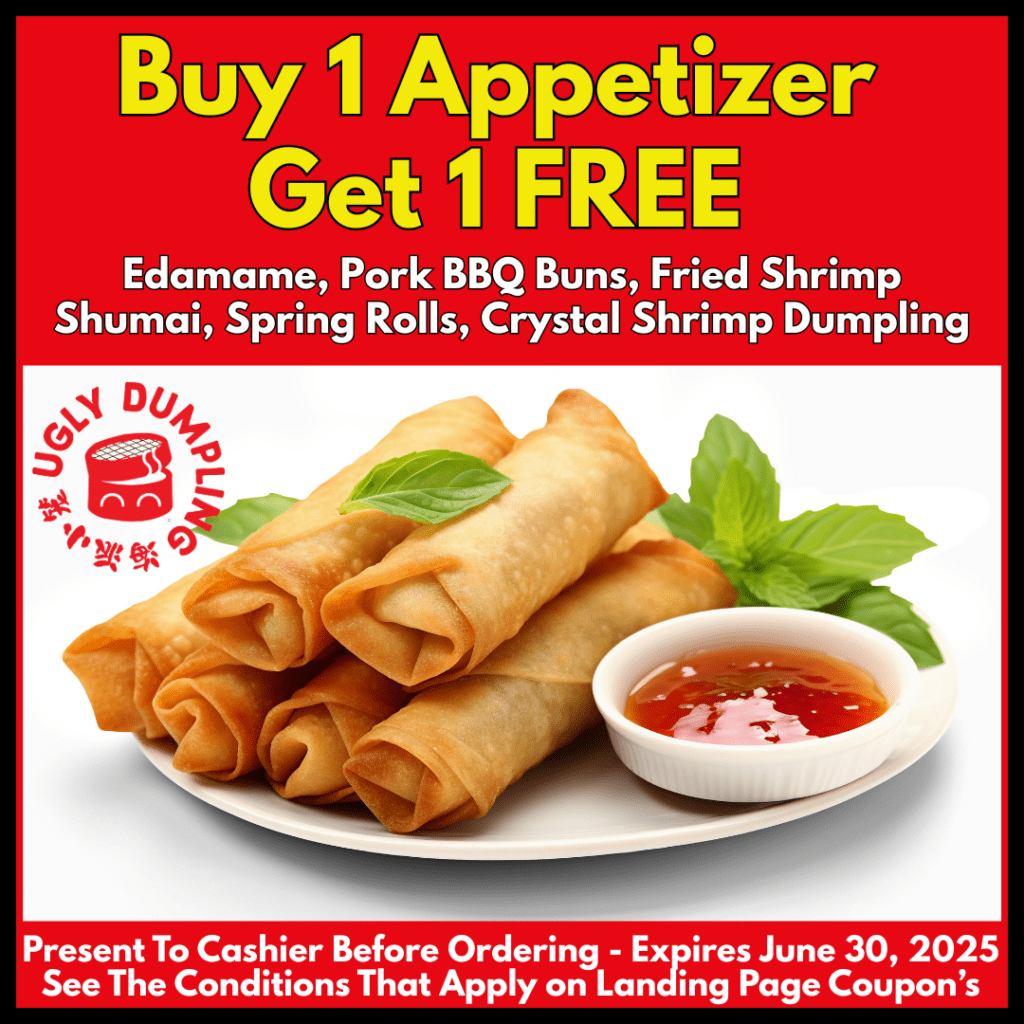
In the current restaurant landscape of 2026, the Buy-One-Get-One (BOGO) offer remains the most widely used and redeemed promotion. Statistics show that BOGO deals have a redemption rate of approximately 78%, outperforming both “dollar-off” (74%) and “free-item” (67%) offers. However, the “most used” promotion can be categorized by redemption rate, frequency of use by owners, and long-term growth:
Most Redeemed: BOGO (Buy-One-Get-One)
Customers perceive BOGO as the highest value because it essentially provides a 50% discount while requiring them to purchase a full-price item. It is the “classic” choice for driving immediate foot traffic.
Most Used by Owners: Percentage Discounts
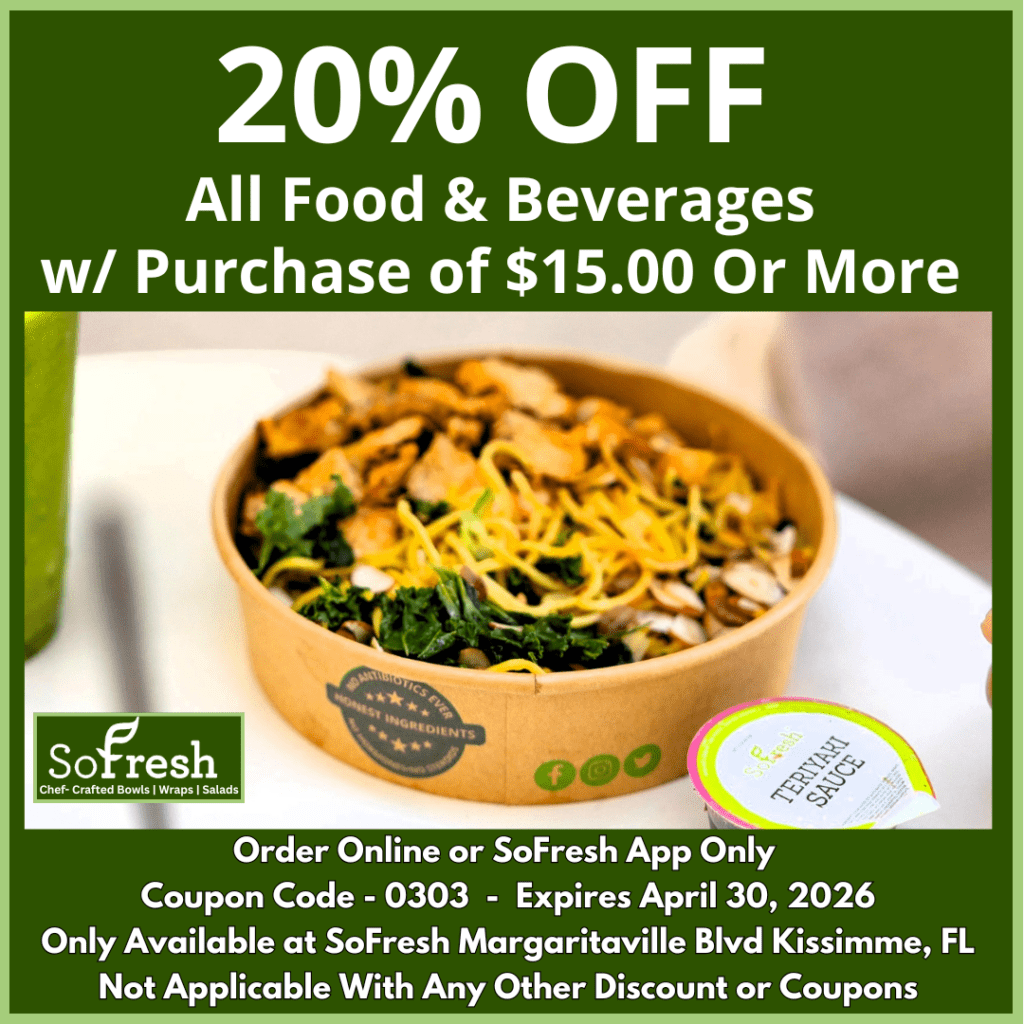
A 20% off your order style promotion is the most common tool used by restaurant operators. It is easier to calculate and more profitable than BOGO because it doesn’t “give away” as much inventory. Digital platforms (like DoorDash or UberEats) often default to percentage discounts for their featured promotions.
Most Effective for Growth: Loyalty & Rewards Programs
While not a “one-off” deal, loyalty programs are now the most consistent promotional strategy in the industry.
- Impact: Loyalty members spend 18–30% more per visit than non-members.
- Trend: In 2026, restaurants are shifting from physical punch cards to digital loyalty apps that use personalized SMS reminders, which have a staggering 98% open rate.
The 2026 “Value Meal” Trend
Following the success of major chains (like McDonald’s $5 Meal Deal), the industry has seen a massive surge in Bundled Value Menus. Nearly 30% of all restaurant visits are now driven by a perceived “bundle deal,” where a main, side, and drink are sold at a fixed, lower price point.
Comparison of Popular Promotions
| Promotion Type | Redemption Rate | Primary Goal |
| BOGO | ~78% | High immediate foot traffic |
| Percentage Off | ~60% | Increasing order volume |
| Bundled Meals | ~45% | Increasing average check size |
| Happy Hour | ~35% | Filling seats during slow hours |
| Loyalty Rewards | Ongoing | Customer retention |
Discounts – Percentage or Dollars?
In the world of restaurant marketing, the choice between a percentage (%) or a dollar ($) discount isn’t about the math—it’s about the psychology of perception.Research has revealed:
- If the item is UNDER $100: Use a Percentage (%) discount.
- Example: On a $20 pizza, “20% OFF” (the number 20) sounds much more significant than “$4 OFF” (the number 4), even though they are the same.
- If the item is OVER $100: Use a Dollar ($) discount.
- Example: On a $150 group catering order, “$30 OFF” (the number 30) sounds better than “20% OFF” (the number 20).
- If you are running a BOGO (Buy One, Get One) deal, that actually resonates better than both a 50% discount or a dollar amount. “Free” is a psychological trigger that outperforms almost any numerical discount.
Why One Resonates Better Than the Other
| Feature | Percentage (%) Discount | Dollar ($) Amount Discount |
| Best For | Lower-priced items, appetizers, or individual meals. | Catering, expensive steakhouse dinners, or high-minimum orders. |
| Cognitive Effort | Requires “mental math,” which can sometimes lead to a “vague” sense of savings. | Zero mental math. It feels like “cash in hand” immediately. |
| Urgency | It feels more like a “sale” or limited-time event. | Feels like a “coupon” or a reward for spending more. |
| Perceived Value | High perceived value for small purchases. | High perceived value for “big ticket” items. |
Nuances in the Restaurant Industry
Restaurant-specific behavior adds two more layers to what resonates best:
The “Ease of Processing” Factor
Dollar discounts ($5 off your $25 meal) often outperform percentages in fast-casual or busy environments. Why? Because hungry people don’t want to do math. A specific dollar amount feels more concrete and “real” when a customer is deciding quickly.
Threshold Discounts (The “Nudge”)
If your goal is to increase the average check size, dollar amounts are superior.
- Promotion: “$10 off when you spend $40.“
- Why it resonates: It creates a clear “goal” for the customer. They will often add an extra appetizer or dessert just to hit that “free $10” mark. A percentage (e.g., “Spend $40, get 25% off”) feels more abstract and less like a “win.”
Learn More About ZivZo Marketing