Relationship Driven Hospitality: The Ultimate Survival Strategy!
For the past five years, I have seen the hospitality industry have been trapped in an arms race of operational tech and theatrical dining. Operators optimized the tech stacks, deployed QR codes, automated reservation books, and engineered dishes designed specifically to go viral on screens rather than taste great on the palate.
It worked—until it didn’t!

Today, diners are suffering from severe experience fatigue. They are tired of cold, transactional service hidden behind self-ordering kiosks. They are overpaying $30 for hyper-engineered, gimmicky meals that favor shock value over real flavor.
As we navigate the current landscape, a clear trend is defining the industry: Diners are no longer chasing flashy indulgence. They want dining that feels personal, meaningful, and grounded.
Industry forecasters have dubbed recent iterations of this shift ‘grandma-core’ or ‘nostalgia dining’—a hunger for slow-cooked comfort, unpretentious service, and true human care. But looking past the buzzwords, what we are really witnessing is a return to fundamental hospitality. The operators winning market share right now are not those with the biggest tech budgets or the most ‘Instagrammable’ dining rooms; they are the operators who make guests feel genuinely seen, welcomed, and nourished.
Here is how successful operators are shifting away from digital friction and rebuilding their businesses around relationship-driven hospitality.
High-Touch Connection as the New Luxury
For a decade, ‘luxury’ in dining meant velvet banquettes, imported marble, and dramatic dry-ice presentations. Today, real luxury is far simpler—and much harder to replicate it is remembered.
Modern consumers are starved for authentic human connection. When a guest walks into your restaurant and your floor team knows their name, remembers their favorite table, or greets them like a regular on their second visit, that moment delivers far more value than a flashy dining room ever could.
Forward-thinking operators are refocusing their front-of-house training away from rigid scripting and toward emotional intelligence:
- Empower the Floor: Give servers a little leeway to comp a dessert, buy a drink, or send over a custom bite without needing manager sign-off.
- Capture Meaningful Data: Use your reservation system to track personal preferences—favorite wines, dietary needs, anniversaries—rather than just turn-times and spend averages.
- Prioritize Recognition: Train hosts to acknowledge returning guests instantly. Relationship-driven service creates fierce brand loyalty that protects margins even when times get tough.
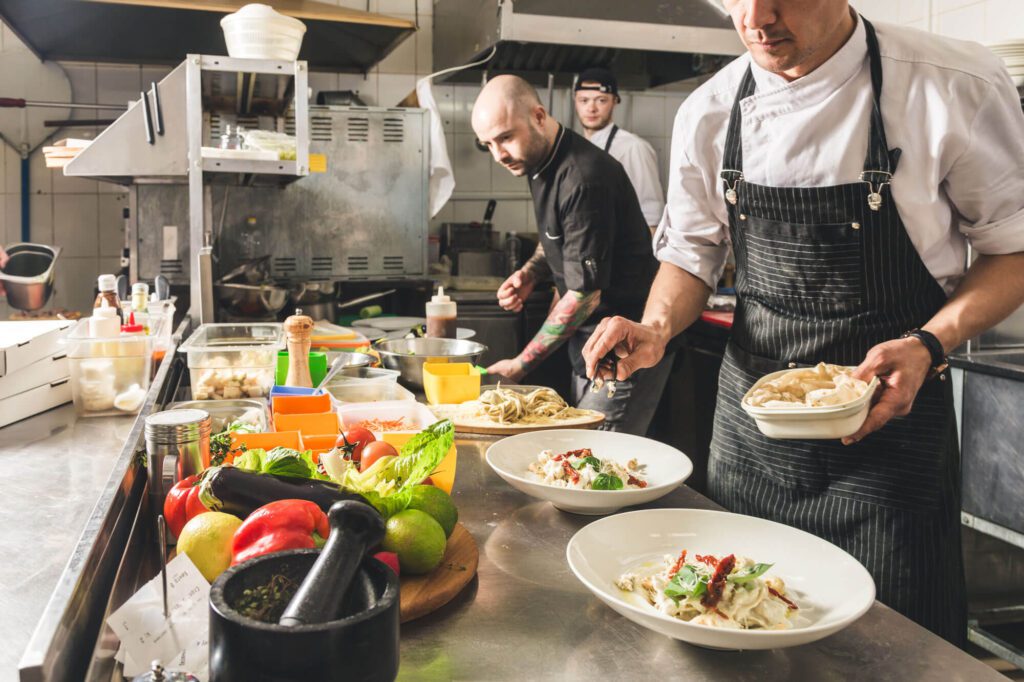
Ingredient Integrity Over Excess
The ‘more is more’ days of menu development is officially over, especially in the Ozempic era. Diners are rejecting over-processed, stacked-high stunt food in favor of clean sourcing, provenance, and culinary transparency.
Whether it is elevated hero breads, thoughtfully sourced domestic meats, or vibrant fermented flavors, today’s guests want flavor that speaks for itself. They want to know where the food came from, how it was prepared, and why it belongs to the menu.
| Outdated Expectations | Modern Guest Expectations |
| Over-engineered stunt food | Ingredient integrity & transparency |
| Cold, transactional tech | Relationship-driven service |
| 80-item bloated menus | Lean, agile, seasonal menus |
| Sugary, afterthought mocktails | Functional, craft zero-proof programs |
This mindset also extends directly to the beverage program. Zero-proof and low-ABV options are no longer optional add-ons tucked at the bottom of the drinks page; they are a core driver of modern bar sales. Guests expect non-alcoholic offerings crafted with the same culinary care—house-made cordials, fermented shrubs, and functional botanicals—as any signature cocktail.
Menu Agility Beats Menu Bloat
With food costs remaining volatile and labor tight, trying to be everything to everyone is a recipe for margin erosion. The most profitable restaurants are leaning into tight, agile menus built around high-confidence core items. Instead of running an overwhelming 60-item menu, successful kitchens are focusing on execution and flexibility:
- Double Down on Signature Items: Focus on 12 to 15 execution-proof dishes that travel well for takeout and execute flawlessly during a Friday night rush.
- Cross-Utilize Ingredients: Design dishes around versatile, high-quality core ingredients to cut down on waste and lower holding costs.
- Tell a Clear Story: Train your staff to articulate the story behind one- or two-star dishes. A server who can passionately describe the farm sourcing behind a slow-braised pork shoulder will sell double the volume of a server reciting a generic list of specials.
Technology Should Be Invisible, Not Intrusive
This shift does not mean discarding technology entirely. Rather, it is about putting technology back in its proper place: the background.
Technology in a restaurant should function like plumbing—essential, silent, and invisible to the guest experience. When guest-facing technology gets in the way of human contact, hospitality breaks down.
Operators winning right now use digital tools behind the scenes to simplify workflows:
- Centralizing menu availability across POS, delivery platforms, and digital boards to prevent server friction.
- Using kitchen automation and inventory intelligence to free up labor hours.
- Utilizing predictive scheduling tools so managers can spend more time on the dining room floor and less time in the back office.
If a piece of technology saves your staff time that is then reinvested into talking to guests, keep it. If it creates a barrier between your staff and your guests, get rid of it.
The Bottom Line
Over the years I have seen trends come and go, but the core psychological reason people go out to eat has never changed: they want to feel good, eat well, and be taken care of.
As we look toward the future of the restaurant industry, the competitive edge belongs to the operators who remember that hospitality is a human industry. By trimming menu complexity, elevating ingredient integrity, using technology to support rather than replace human touch, and fostering real relationships with guests, independent restaurants can build resilient, highly profitable businesses that outlast any temporary market swing.
“Tech can optimize your operation, but only authentic hospitality can build a brand.”