The “Ozempic Era” Is Changing Restaurant Portions & Alcoholic Beverages Demand!
The “Ozempic Era” has officially moved beyond the doctor’s office and into the restaurant kitchen. As we navigate 2026, the rise of GLP-1 medications—like Ozempic, Wegovy, and Zepbound—has created a new class of “selective diners.”
With roughly one in eight American adults now using these medications, the impact on restaurant bottom lines is undeniable. For owners, the challenge is clear: how do you maintain gross sales when your customers are biologically hardwired to eat and drink less? The answer lies in two major pivots: portion re-engineering and a revolution in non-alcoholic (NA) mixology.
The Portion Pivot: From “Supersized” to “Right-Sized”
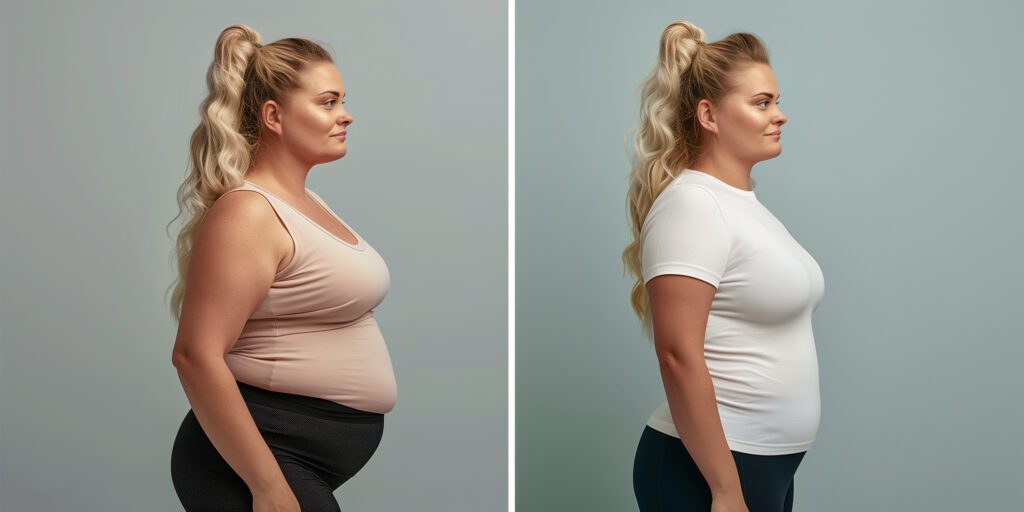
The traditional restaurant model of high-volume, low-cost carbohydrates (like the bottomless breadbasket or the mountain of pasta) is a losing strategy for GLP-1 users. Because these medications slow gastric emptying, users feel full much faster. When faced with a massive plate, they don’t just leave leftovers—they often feel “food guilt,” which discourages a return visit. Many restaurants experiencing 30% to 40% customer left-over rates.
How to Adjust Portions Without Killing Margins:
- The “Nourish” Section: Instead of a “Senior” or “Kids” menu, create a section titled “Focused Portions” or “Nourish Plates.” These should be roughly 40% to 50% of the size of a standard entrée but priced at 60% to 70% of the cost. This accounts for the fixed labor and overhead costs while providing the diner with a manageable meal.
- Protein-First Architecture: GLP-1 users are often concerned about muscle loss. Menus should prioritize high-quality protein (wagyu, wild-caught salmon, or bison) in smaller doses. A 4-ounce premium wagyu slider is more attractive to this demographic than an 8-ounce standard burger.
- The “Split-Plate” Strategy: Rather than discouraging plate-sharing with fees, lean into it. Offer a “Share & Pair” option where a single entrée is split in the kitchen and served with two smaller, high-protein side salads for a nominal upcharge.
The Alcohol Cliff and the Rise of “Functional” NA Drinks
Alcohol is often the highest margin item on a restaurant’s P&L. However, GLP-1 medications are proving to be powerful “anti-craving” agents for alcohol. Many users report a complete loss of interest in wine, beer, and spirits. To protect gross sales, restaurants must move beyond “Sprite with a splash of cranberry.” The goal is to offer a non-alcoholic beverage experience that carries the same $14–$18 price tag and “social ritual” as a cocktail.
Creating a Premium NA Program:

- Focus on Bitter & Botanical: Alcohol has a “bite” that soda lacks. Use alcohol-free spirits (like Seedlip or Lyre’s), bitters, and shrubs (vinegar-based syrups) to provide complexity and a “slow-sip” experience.
- Functional Add-Ons: Since GLP-1 users are hyper-focused on health, “functional” mocktails are a major trend. Incorporate ingredients like:
- Magnesium or Ashwagandha: For relaxation without the booze.
- Electrolytes: To help with the hydration needs often associated with GLP-1 use.
- Prebiotic Sodas: To aid the digestive changes users experience.
- Glassware Matters: The “placebo effect” of a social drink is 80% presentation. Serve NA drinks in chilled coupes, heavy-bottomed rocks glasses, or delicate flutes. If it looks like a cocktail, the customer feels included in the social experience and is more likely to order a second round.
The Impact on Overall Gross Sales
While it might seem like “less food + less alcohol = less money,” the data tells a more nuanced story. The “Premiumization Paradox” is currently saving the industry.
While GLP-1 users are ordering fewer items, they are often spending more on the items they do choose. A guest who used to spend $35 on a massive pasta dish and two cheap beers might now spend $55 on a small portion of high-end scallops and two $15 functional mocktails.
Gross sales aren’t necessarily shrinking—they are shifting. The “volume” era of the 2010s is being replaced by a “value” era in 2026. Restaurants that successfully adapt their menus to focus on quality over quantity will find that their margins actually improve, as they spend less on raw ingredient waste and more on high-margin, specialized offerings.
The Bottom Line
The GLP-1 movement is a permanent cultural shift in how Americans consume. For a restaurant to thrive in this environment, it must stop being a place where people go to “stuff themselves” and start being a place where people go to “nourish themselves.”