Restaurant Theft: The Hidden Profit Drain
In the high-stakes world of hospitality, where margins are measured in single digits, the greatest threat to your bottom line often isn’t rising food costs or labor shortages—it’s the silent, steady erosion of revenue through theft.
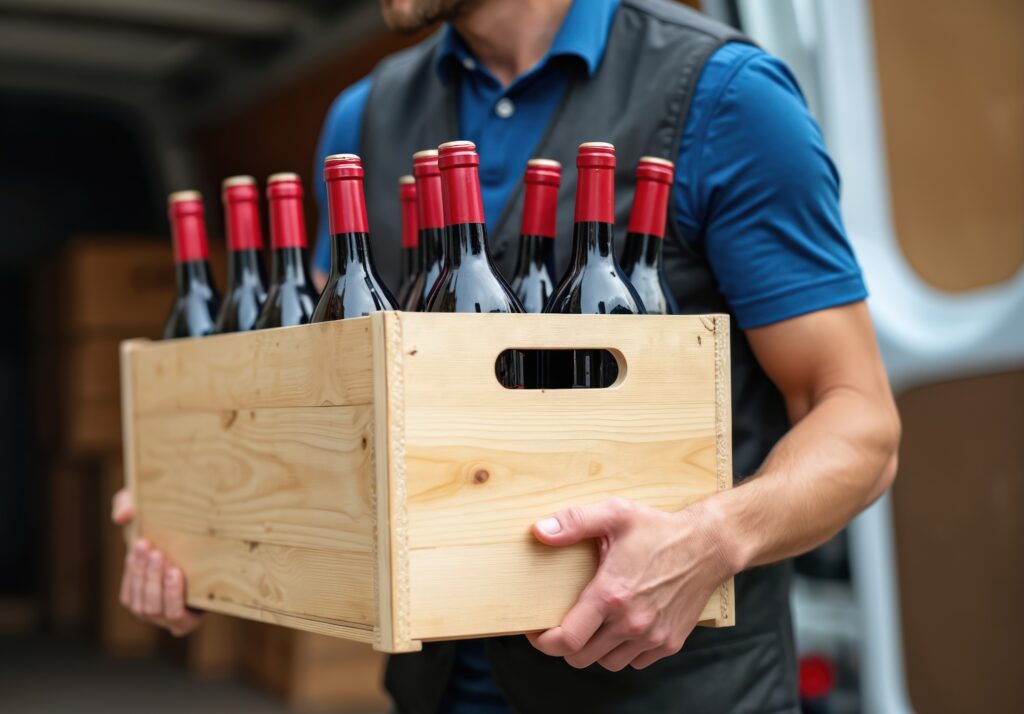
Whether it is inventory shrinkage or external fraud, theft functions as a “tax” on your profitability. Addressing it requires a comprehensive strategy: rigorous data oversight for internal losses, enhanced floor management for guests, and ironclad protocols for the digital delivery frontier.
Internal Theft: Identifying the “Blind Spots”
Statistically, internal theft poses the greatest cumulative threat. Because staff understand your operational protocols and blind spots, their methods are often sophisticated and sustained.
- Point-of-Sale (POS) Manipulation: Tactics such as “short ringing” (charging premium prices for well liquor and pocketing the difference) or unauthorized “manager comps” post-check-closing.
- Inventory “Grazing” & Shrinkage: Unauthorized consumption or the systematic removal of high-value proteins and alcohol.
- The “Auto-Grat” Scam: Manipulation of service charges or pocketing cash tips intended for the house or other staff.
Strategic Defenses
- Leverage POS Analytics: Your POS should be an audit tool, not just a transaction device. Monitor void and discount rates by server.
- The Statistical Audit: Investigate any staff member whose void rate significantly exceeds the team average.
- Implement “Blind” Cash Drops: Require staff to reconcile cash without POS-generated “expected” totals. Discrepancies (over or under) highlight training gaps or intentional skimming.
- The Three-Point Inventory Reconciliation: Regularly audit the triad of Purchases vs. Sales vs. Physical Stock. If consumption trends don’t align with theoretical usage, your “gap” is your theft rate.
Guest Theft: Combatting the Grift

Guest-facing theft is typically opportunistic. While individual incidents have a lower immediate impact than long-term staff theft, they can rapidly accumulate, particularly in high-volume environments.
- The “Foreign Object” Scam: Manufacturing a complaint after the meal is near completion to demand a full comp.
- Chargeback Fraud: Filing disputes post-service, claiming the visit never occurred or service was substandard.
- Souvenir Snatching: The loss of high-end serviceware, glassware, or decor.
Strategic Defenses
- Proactive Table Presence: The “scum-line” technique—frequent, purposeful floor presence—remains the best deterrent for dine-and-dash attempts.
- Credit Card Pre-Authorization: For large parties or premium reservations, utilize platforms that hold a card on file to discourage walk-outs.
- Standardized Service Recovery Logs: Document every comp. If a guest consistently identifies “foreign objects,” your logs provide the evidence needed to “86” repeat offenders.
3rd-Party Delivery: The New Frontier of Fraud
Beyond the dining room, third-party delivery platforms have introduced a complex layer of “digital-physical” theft. This includes the “ghost order” scam—where drivers pick up orders only to cancel the request in the app to steal the food—and sophisticated chargeback fraud, where customers claim an order never arrived or was tampered with to trigger a refund. Because these orders often bypass your traditional front-of-house service flow, they create inventory gaps that are notoriously difficult to trace.
- Secure Handoffs: Treat the delivery station as a high-security zone. Implement mandatory “verified hand-offs” where drivers must show the app order number and verify items against a physical ticket.
- Tamper-Evident Packaging: Use branded security seals. This acts as a visual deterrent against driver “sampling” and provides essential evidence to contest fraudulent chargebacks.
- Platform Auditing: Segment your delivery revenue in your POS and audit it against platform payout reports weekly to identify patterns in “missing” or “refunded” orders.
The Integrity-Profit Connection
Technology is a tool; culture is the foundation. Theft is often a symptom of systemic issues.
- The “No-Comp” Staff Meal: Offering a high-quality shift meal is a cost-effective insurance policy against “grazing.”
- Transparency as a Deterrent: When staff know you are monitoring food costs and variance, accountability becomes a daily habit.
- Compensate Fairly: Employees who feel financially secure and respected are statistically less likely to view theft as a form of retaliation.
Operational Comparison
| Feature | Staff Theft | Guest Theft | 3rd-Party Delivery |
| Financial Impact | High (Cumulative) | Moderate (Per incident) | Variable (Volume-based) |
| Detection | Data / Audit-heavy | Immediate / Floor-based | Reconciliation-heavy |
| Primary Driver | Entitlement / Strain | Opportunity / Fraud | Digital Anonymity |
| Primary Defense | Accountability & Culture | Presence & Documentation | Verification & Sealing |
The Bottom Line
Restaurant profitability is rarely destroyed by one major event; it is lost in a “death by a thousand cuts.” By integrating rigorous POS oversight, securing your delivery channels, and fostering a culture of transparency, you move your operation from being an easy target to a disciplined, high-performance business.
Contact ZivZo To Learn How ZivZo Will Grow Your Restaurant Sales & Profit Without Breaking The Bank!