Why Most Independent Restaurants Fail: It’s Not Food Costs, Labor, or Rent!
Over the years, I’ve walked into countless local restaurant association meetings with a group of independent owners heard the exact same chorus of complaints a million times. Margins are evaporating because food inflation, rising minimum wages, predatory third-party delivery apps, and landlords who demand excessive rent and refuse to budge on triple-net leases.
Every single one of those pressures is real, butguess what, it’s always been this way, nothing has ever changed! Operating an independent restaurant is one of the most unforgiving businesses on earth. Yet blaming external forces ignores an uncomfortable reality that separates the operators quietly banking 15 to 20 percent net margins from those perpetually one slow month away from padlocking the doors: most independent restaurants fail because their owners refuse to run them like businesses.
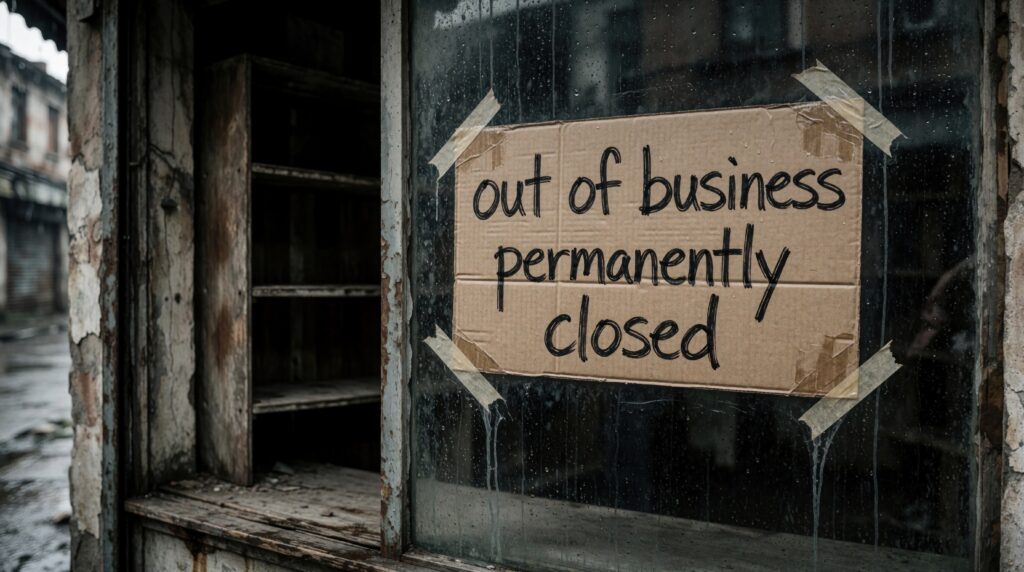
For decades, the industry has romanticized the passion-driven restaurateur—the chef who cooks from the heart, the host who never says no, the owner who works 80 hours a week on the floor while ignoring their weekly food cost sheet. That romance is killing independent hospitality. Passion is not a substitute for financial literacy, being busy is not the same as being profitable, and clinging to outdated industry sacred cows will bleed a bank account dry faster than a hike in wholesale beef prices. If independent operators want to survive—and build wealth—over the next five years, it is time to confront five controversial truths most restaurant owners refuse to admit.
Third-Party Delivery Apps Aren’t Killing Your Margins:
Your Addiction to Lazy Volume Is!
Few things unite restaurant operators faster than bashing third-party delivery marketplaces. Owners love to rail against 25 to 30 percent commission fees as if tech executives walked into their dining rooms at gunpoint and forced them to sign an agreement.
Yet those same operators leave their delivery tablets turned on during a slammed Friday night rush. They allow low-margin delivery orders to bottleneck their kitchen line, stretch ticket times for high-margin dine-in guests from 14 minutes to 35 minutes, and degrade the exact in-house experience that built their brand. Worse, they list their entire menu at dine-in prices, effectively paying out of pocket for the privilege of sending soggy food out the door.
Delivery apps aren’t a charity, and they aren’t your business partner—they are a customer acquisition channel, and an expensive one at that. If you haven’t built a streamlined off-premises menu with a 15 to 20 percent price markup, packaging fees baked into the cost, and items specifically engineered to survive a 25-minute car ride, tech giants aren’t victimizing you. You are subsidizing your own losses to chase vanity top-line sales. And if you aren’t aggressively converting those third-party customers into direct, first-party orders via bag inserts, QR codes, and loyalty rewards, you are willingly renting your own customer base forever.
Tipping Culture Has Broken Your Compensation Model—And Your Kitchen Knows It
Tipping is the third rail of restaurant operations, defended fiercely by front-of-house staff and feared by owners terrified of guest backlash. Yet the traditional tipped model has created a toxic structural fracture inside nearly every full-service restaurant in America.
Look at the math on a busy Saturday night. A seasoned server or bartender can easily walk out with $350 to $450 for a seven-hour shift ($50 to $60 an hour). Meanwhile, the line cooks executing the actual product—standing over a 500-degree grill in a 110-degree kitchen under relentless ticket pressure—are making $18 to $22 an hour.
When the people carrying the plates earn more than double what the people cooking the food make, chronic kitchen turnover, sloppy execution, and quiet resentment aren’t anomalies—they are mathematical certainties. Operators cling to tip credits because they lack the courage to raise menu prices by 18 percent to fund sustainable base wages or transparent service charges that reward the entire team (within state and federal legal guidelines). By keeping menu prices artificially low and outsourcing payroll to the whims of customer generosity, owners starve their back-of-house of the culinary talent required to keep guests coming back.
“The Customer Is Always Right” Is Destroying Your Staff and Your Brand!
Somewhere along the way, genuine hospitality got confused with doormat servitude. Terrified of a one-star review on Google or Yelp, too many operators reflexively comp entire checks for fabricated complaints, tolerate verbal abuse directed at teenage hosts, and allow entitled diners to invent absurd off-menu modifications that derail the entire kitchen line during peak service.
Every time you reward a toxic, dishonest guest with a free meal and an apology, you broadcast an unmistakable message to your team: your self-respect is worth less to me than a $75 check. Great hospitality workers don’t leave the industry because the work is hard; they leave because weak managers refuse to protect them from bad behavior.
Furthermore, trying to be everything to everyone destroys your identity. The strongest, most profitable concepts have clear boundaries. They know who their core guest is, they stand behind their culinary execution, and they have the backbone to politely fire abusive or chronic-complainer customers so their staff can pour their energy into taking extraordinary care of the 98 percent of guests who actually appreciate what they do.
Your Menu Is Bloated Because You’re Afraid to Say No
Walk into a struggling independent restaurant and look at the menu. Chances are, it reads like a short novel; 60 items spanning four cuisines, requiring 250 distinct SKUs in the walk-in cooler, half of which spoil before they ever hit a plate.
Operators keep bloated menus out of insecurity. They worry that if they cut the chicken marsala that sells four orders a week, a handful of regulars might complain. So instead, they carry excess inventory, tie up tens of thousands of dollars in cash on their shelves, complicate prep lists, slow down line execution, and sacrifice consistency across the board. Top-performing operators treat their menus like ruthless capital allocators. They engineer tight, focused menus where every ingredient is cross utilized, every dish hits a target contribution margin, and underperforming “dogs” are cut without sentimentality.
Your Restaurant Can Be Race Car; But You Have Put Gas in It To Win!

Watch how most independent owners budget a new buildout or remodel. They will happily spend $1,000,000+/- on custom millwork, imported stone, statement lighting, and a gleaming commercial kitchen—and then set aside zero dollars for marketing and advertising. Spending a fortune to build a restaurant without funding marketing is like building a race car and not have any gas money! You can polish the hood all day long, but if there is nothing in the tank to drive awareness and traffic, that million-dollar dining room is going to sit painfully quiet.
Then, when sales stall six months in, the knee-jerk reaction is to panic—throwing last-minute money at a flashy Instagram agency or blasting out a desperate 20-percent-off coupon to buy weekend covers. Marketing cannot rescue a mediocre or forgettable operation. If your service is indifferent, your food arrives lukewarm, or your online rating sits at a stagnant 3.7 stars because you fail to systematically capture feedback from happy guests, driving more traffic through your front door only accelerates your demise.
Treat marketing like fuel, have an initial $20,000 -$50,000 just to get your marketing started and then budget 3 to 6 percent of projected gross revenue consistently from day one. Engage professional restaurant marketers and remember that marketing is an investment that will pay huge dividends. Marketing must be consistent and marketing is an amplifier, not a life raft. Fix the leaks in your four walls, build an engine worth talking about, and keep the tank full.
The independent restaurant sector doesn’t suffer from a lack of grit, passion, or work ethic—it suffers from a lack of brutally honest self-assessment. External headwinds aren’t going away. Rent will keep climbing, labor will remain tight, and consumers will continue scrutinizing every discretionary dollar they spend.
Bottom Line:
The operators who thrive won’t be the ones waiting for the economy to get easier; they will be the ones courageous enough to ditch comfortable excuses, dismantle broken industry habits, and run their restaurants with unapologetic business discipline.
Contact ZivZo Marketing Group Today for a FREE Analysis of Your Restaurant’s Marketing and Operations