The End of the Pizza Monopoly: How 3rd Party Delivery Changed The Game!
Pizza Delivery In The Beginning
For nearly half a century, the rules of restaurant delivery were clear: if you wanted dinner brought directly to your front door on a Friday night, your choices were essentially pizza or Chinese takeout.
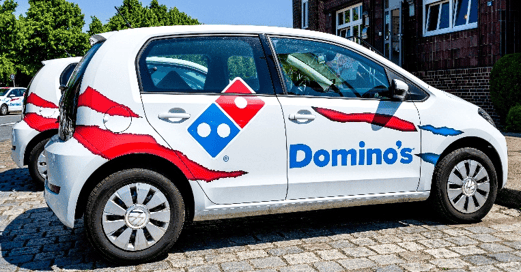
Pizza operators held a near-impenetrable “convenience monopoly”. They possessed the specialized infrastructure—dedicated delivery fleets, insulated hot-holding technology, and custom Point-of-Sale dispatch systems—that other restaurant concepts simply could not justify financially. Delivery was pizza’s ultimate moat.
Then came the aggregator boom. When platforms like DoorDash, Uber Eats, and Grubhub digitized logistics and created a shared network of gig-economy drivers, they leveled the playing field overnight. Virtually every restaurant concept—from fast-food burger joints and taco stands to high-end steakhouses—became a delivery business.
For the pizza industry, this shift didn’t just introduce new software; it dismantled the core economic model that had fueled pizzerias for generations.
Dilution of the “Convenience Moat”
Historically, pizzerias did not compete against the whole restaurant landscape for delivery dollars; they competed primarily against other local pizzerias.
When aggregators gave consumers thousands of instant options on a single smartphone screen, the decision matrix changed. Instead of asking, “Which pizza place should we call?” families began asking, “What cuisine do we want delivered tonight?” Pizza lost its exclusive ownership of the night-in, forcing operators to compete directly with chicken wings, Mexican food, sushi, and burgers for the exact same delivery occasion.
The Great Margin Squeeze
For decades, pizza was one of the most profitable sectors in food service. Low food costs (flour, sauce, cheese) paired with high-volume, in-house delivery meant solid profit margins. Driver wages and vehicle overhead were offset by nominal delivery fees and tip volume.
Aggregators disrupted this cash flow engine:
- The Commission Hit: Platforms typically charge 15% to 30% per order in marketplace fees. For independent pizzerias operating on thin margins, paying a 30% cut transforms a profitable pizza order into a break-even—or even loss-making—transaction.
- Double Dip on Marketing: Beyond delivery commissions, the sheer volume of new pizza operators on delivery apps forced pizzerias to buy “sponsored listings” and offer steep platform discounts just to rank near the top of search results.
The Surrender of the Major Chains
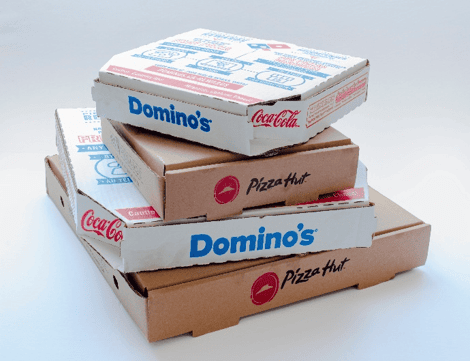
For years, national chains resisted the aggregators. Domino’s famously held out for a long time, asserting that its proprietary delivery logistics offered superior customer experience and protected margins. However, consumer behavior ultimately forced a truce. As millions of diners migrated their primary food-ordering search behavior to aggregators, the major chains realized that refusing to list on the apps meant giving up massive market share.
Today, Domino’s, Papa Johns, and Pizza Hut all list on aggregators, often utilizing a hybrid model: capturing the order via third-party apps, but utilizing their own in-house drivers to fulfill the delivery whenever possible to control quality and preserve data.
How Pizza Operators Are Adapting to Win
Despite losing their delivery monopoly, the pizza sector remains one of the most resilient in the hospitality industry. To maintain profitability, operators have pivoted toward four core strategies:
Strategic Menu Expansion: Reclaiming Market Share & Maximizing Order Value
To combat the dilution of their “convenience monopoly,” pizza operators recognized that changing how they deliver wasn’t enough, they also had to change what they sell. In the pre-aggregator era, a simple menu featuring pizza, soda, and standard garlic sticks was more than sufficient to drive steady sales.
However, as third-party delivery apps transformed the smartphone into a virtual food court, consumer expectations shifted dramatically. Families and groups ordering dinner no longer wanted to settle on a single cuisine; they sought variety to satisfy veto votes within the household. Realizing that a standalone $20 pie could no longer sustain high platform commissions, forward-thinking pizzerias turned their kitchens into multi-category hubs.
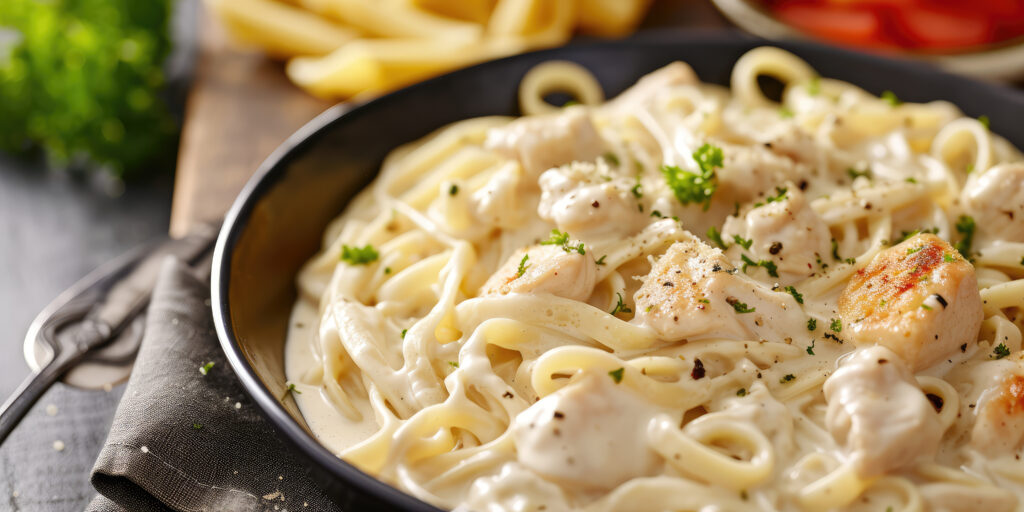
By strategically expanding into high-margin sides, cross-cuisine virtual concepts, and high-value family bundles, operators effectively raised average ticket sizes, broadened their consumer appeal, and reclaimed valuable market share in a hyper-competitive delivery landscape:
- High-Margin Side Items & Craveable Add-Ons: Pizzerias expanded into dedicated jumbo wing programs, oven-baked pastas, calzones, and fresh-baked skillet cookies. These add-ons leverage existing kitchen inventory, travel exceptionally well, and drive high-margin impulse purchases at checkout.
- Multi-Concept Virtual Sub-Brands: Rather than cluttering their main menu, operators use their existing kitchen setup to run delivery-only virtual brands on apps (e.g., a secondary listing for “Wings & Things” or “Pasta & Salad Hub”), capturing non-pizza search traffic without adding labor overhead.
- Family Bundles & Group Meals: To win family dinner occasions against non-pizza competitors, pizzerias shifted from selling single pies to curated “Game Day” and “Family Night” packages—combining pizzas, wings, sides, and desserts to push average order values from $20 to $45+, helping absorb platform commission costs.
B. First-Party Tech Infrastructure
Independents are increasingly adopting dedicated online ordering platforms (such as Slice, Toast, or ChowNow). These tools allow pizzerias to offer seamless online ordering directly through their own websites for flat monthly or per-order fees rather than steep percentage commissions, protecting margins and retaining direct ownership of customer data.
C. The Strategic Shift to Carryout
To avoid aggregator fees altogether, many pizzerias have aggressively pivoted toward expanding their carryout and pickup business. By offering lower menu prices, exclusive drive-thru lane pickups, or loyalty perks for walk-in orders, they bypass third-party commissions while keeping operational throughput high.
D. Focusing on Craft & Regional Styles
To stand out against mass-market virtual concepts and commodity ghost kitchens, successful independent operators are leaning heavily into premiumization—specializing in distinct, technique-heavy regional styles (Detroit-style deep dish, St. Louis, Tavern-style, or long-fermentation sourdough) that low-cost virtual concepts cannot easily replicate.
The Bottom Line
Third-party delivery stripped pizza of its decades-long monopoly on convenience. However, by forcing pizza operators to modernize their technology, protect their direct customer relationships, and elevate their product quality, the third-party revolution didn’t kill the pizza business—it has reduced the margins for many operators, but Ultimately, it forced it to evolve into a smarter, tech-driven industry.
Contact ZivZo Marketing Group To Learn How ZivZo Will Grow Your Restaurant Sales