Modern Haberdashery Marketing
The Modern Haberdasher’s Playbook: Strategic Marketing for Ready-to-Wear and Custom Suits
The traditional men’s haberdashery was once built on a simple premise: a rack of tailored suits, a collection of silk ties, and a handshake from a local proprietor who remembered your collar size. Today, the landscape for medium-to-luxury menswear has evolved.
While corporate dress codes have relaxed, the suit remains the ultimate statement of authority, elegance, and personal branding. However, modern male consumers no longer buy suits simply because they have to—they buy them when the experience, fit, and story compel them to.
For independent haberdashers, custom tailors, and upscale menswear boutiques, marketing must address two distinct revenue pillars: ready-to-wear (RTW) suiting and custom/bespoke tailoring. Successfully driving requires a balance of digital precision, high-touch clientele, and experiential retail.
Positioning Ready-to-Wear Suits: Speed, Versatility, and Immediate Gratification
Ready-to-wear suits are the entry point for many new clients and the quick-turn solution for established customers needing an immediate wardrobe update. Marketing RTW garments requires shifting focus away from “off-the-rack” implications and highlighting curated quality and expert in-house alterations.
- Sell the “Capsule” Concept: Market suits not as single-use garments, but as foundational wardrobe anchors. Show how a charcoal navy suit jacket works with tailored denim for a casual dinner, or how the trousers pair with a fine-gauge merino turtleneck.
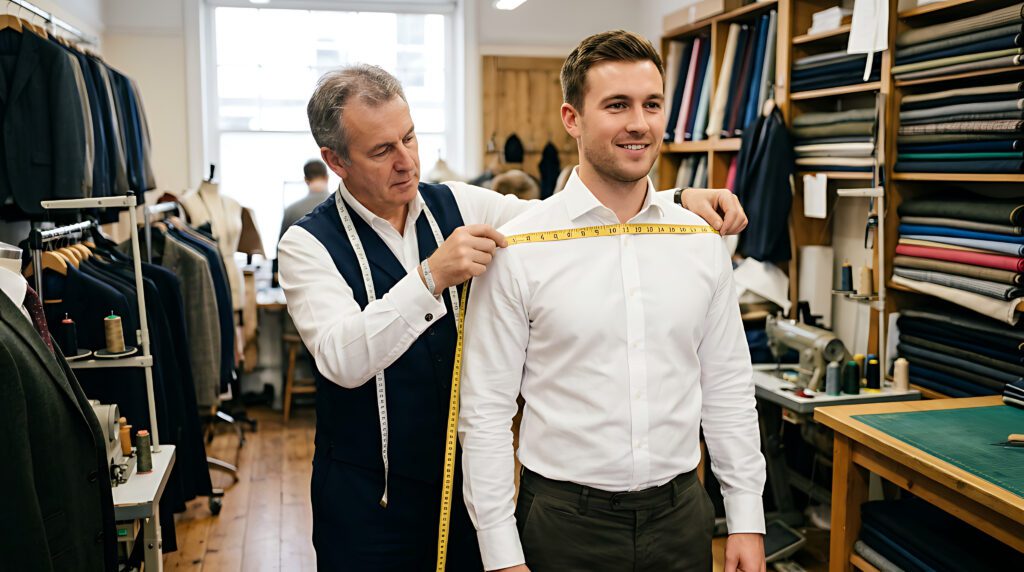
- Emphasize In-House Tailoring Capabilities: The difference between an average suit and an exceptional one is the tailor. Market your master tailors as part of the brand value. Phrases like “Master-tailored to your exact posture within 48 hours” eliminate the fear of poor off-the-rack fit.
- Event-Driven Campaigns: Time marketing pushes around clear calendar milestones—weddings, proms, graduations, job interviews, corporate meetings, and gala circuits.
Marketing Custom & Bespoke Suiting: The Ultimate Luxury Experience
Custom suiting—whether Made-to-Measure (MTM) or full Bespoke—carries significantly higher margins and builds unmatched customer retention. However, selling a custom suit means selling an intangible product; the client must buy into the process long before they see the finished garment.
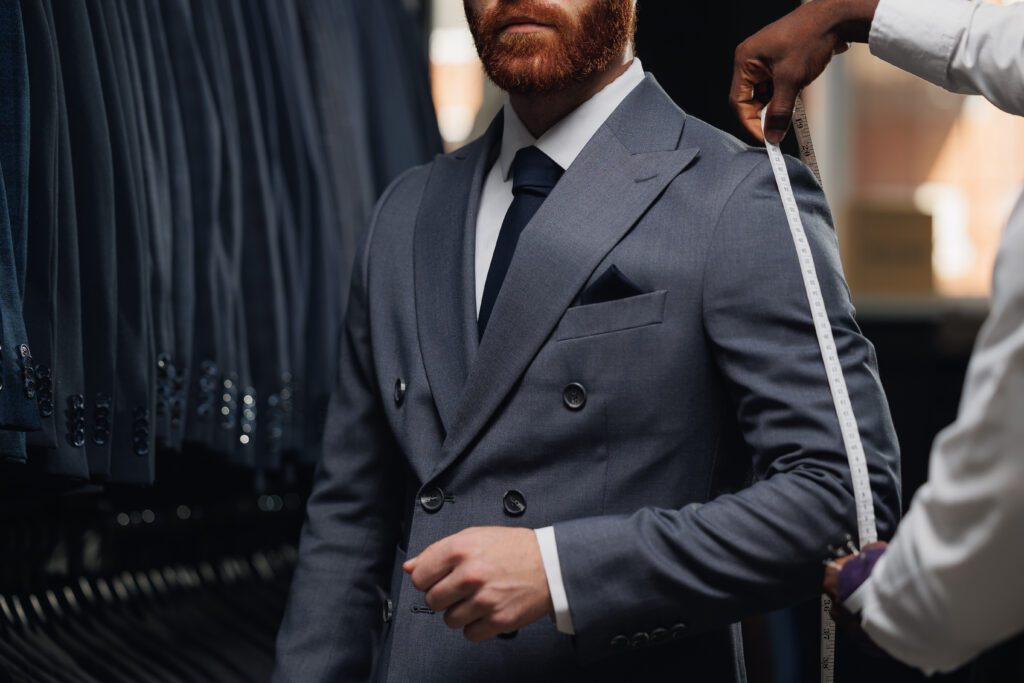
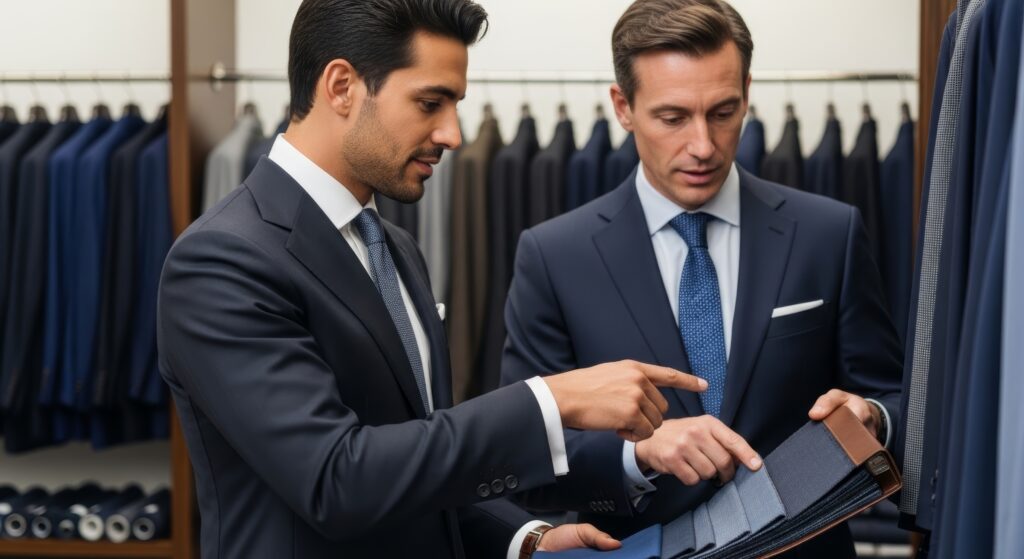
- Demystify the Process: Many men feel intimidated by custom tailoring. Use short-form video content to walk prospective clients through the initial consultation: selecting cloth swatches, choosing linings, pick-stitching options, and taking 20+ body measurements.
- Highlight Cloth Provenance: Leverage the heritage of prestigious mills like Loro Piana, Ermenegildo Zegna, Dormeuil, or Holland & Sherry. Educate clients on Super 130s wools, silk-linen blends for summer, and heavyweight flannels for winter.
- The “First Fitting” Milestone: Turn the basted fitting into a celebratory event. Encourage clients to bring a colleague or partner, offer an espresso or aged bourbon, and frame the fitting as a milestone in building their personal armor.
Storytelling Around Soft Tailoring and “Investment Basics”
The rigid, heavily padded business suit is no longer the daily default for high-earning executives. The fastest-growing segment in premium tailoring is “soft tailoring”—unstructured jackets, unlined suit trousers, and casual suiting made from stretch-wool or cotton-cashmere blends.
Marketing messages must pivot from strict “dressing for the boardroom” to versatile, comfortable luxury. Position modern suits as long-term investments designed for global travel, hybrid work environments, and evening social engagements.
The Shop as a Social Club (Experiential Retail)
To justify physical retail spaces in an online era, a high-end haberdashery must operate as a lifestyle destination. The shop should feel equal parts private closet, lounge, and networking hub.
- Trunk Shows and Master Cutter Visits: Host quarterly trunk shows featuring guest cutters or mill representatives. Create exclusivity by making these invitation-only events for custom suit clients.
- Private After-Hours Consultations: Offer evening appointments where executives or wedding parties can book the entire showroom for private suit fittings accompanied by high-end spirits or wine tastings.
- Strategic Partnerships: Collaborate with complementary local luxury businesses—custom jewelers, high-end realtors, or luxury auto dealerships—to cross-promote custom wardrobe services to shared target demographics.
High-Touch Digital Concierge & Clienteling
While suiting relies heavily on touch and fit, digital tools drive repeat orders—especially for custom clients whose measurement profiles are already on file.
| Client Tier | Primary Suiting Focus | Marketing Strategy & Channel | Value Proposition |
| New / Prospect | Ready-to-Wear & Entry MTM | Social Video, Style Guides, Local Search | Fast turnaround, fit guarantee, style education |
| Active Client | Custom Seasonal Suits | Direct SMS / Email from Personal Stylist | New fabric swatch drops, seasonal wardrobe updates |
| VIP / Inner Circle | Bespoke & Full Wardrobing | Private Trunk Shows, Concierge In-Home/Office Fittings | Priority mill access, custom linings, complete personal styling |
Leverage CRM (Customer Relationship Management) systems to track client milestones. When a client’s custom suit is delivered, set automated reminders for 6 months later to suggest seasonal fabric refresh or check if adjustments are needed.
Bottom Line
Winning in today’s high-end menswear market requires a dual-track strategy. Ready-to-wear suiting brings clients through the door with speed, versatility, and immediate gratification. Custom and bespoke suiting builds long-term equity, high lifetime value, and deep brand loyalty. By combining educational storytelling with rich offline experiences and digital clienteling, a modern haberdashery cements its role as an essential partner in its clients’ success.
Contact ZivZo Today For a FREE Marketig Analyss Of Your Businesses