Restaurant Video Marketing: The Essential Guide to Ramping Up Sales
Video is the most POWERFUL restaurant marketing tool available- 80% of all online marketing! Video Is King!
ZivZo Marketing Group has been marketing restaurants for years and I tell all my restaurant clients that they must utilize video marketing.
Video marketing is no longer just a brand-awareness exercise—it is the single most potent lever for Restaurants filling tables, protecting margins, and driving measurable covers. People retain 90%+/- of the information in a video but only retain 20%-/- of the same information by reading.
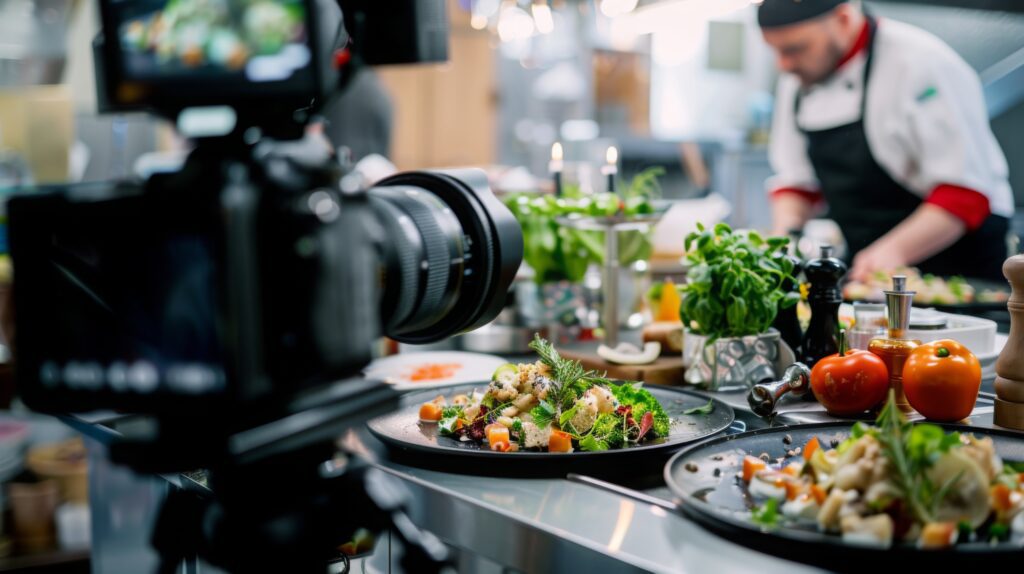
Dining is an inherently multi-sensory pursuit. The crackle of a wood-fired oven, the rhythmic clatter of cocktail tins behind a marble bar, and the gentle release of steam as a braised short rib is pulled apart are the visceral cues that trigger appetite. For decades, restaurants relied on static food photography and print menus to translate that experience into marketing. Today, static imagery captures only a single frame, whereas video captures the crave ability, culture, and operational integrity of an entire concept.
With dining discovery moving almost exclusively to short form feeds and visual search engines, video marketing is no longer an optional creative experiment. It is the primary engine driving guest acquisition, table turn optimization, and direct reservation revenue.
The Neurobiology of the Visual Appetite
Food decisions are governed by rapid emotional and neurological impulses rather than logic. High-definition short-form video leverages sensory marketing to short-circuit decision fatigue and manufacture immediate cravings:
- Kinetic Freshness: Motion proves quality. Melted cheese scraped over roasted fingerlings, a yolk breaking across fresh pasta, or broth poured tableside visually demonstrates viscosity, temperature, and texture in ways no two-dimensional still image can simulate.
- ASMR and Acoustic Satiety: High-fidelity audio—the crisp crunch of fried chicken skin, the hiss of a wagyu strip hitting cast iron, or the pop of a champagne cork—directly stimulates salivary responses via the parasympathetic nervous system.
- Radical Authenticity: Consumers have developed a deep cynicism toward hyper-edited, studio-staged food photography that fails to match reality. Dynamic video provides unvarnished proof of what the dish genuinely looks like when it lands on the table.
Discovery Algorithms & Local Search Dominance
Guest discovery behavior has fundamentally transformed how tables are booked. Platforms like Instagram Reels, TikTok, YouTube Shorts, Yelp and Google Search no longer function merely as social timelines—they operate as intelligent, location-aware recommendation engines.
On short-form video feeds like TikTok and Instagram Reels, distribution relies on a content-graph model rather than a traditional follower graph. This means an algorithm evaluates the engagement, watch time, and local relevance of a video, serving it directly to users located within a 5- to 15-mile radius of your doors, even if they have never heard of your brand before.
At the same time, visual search has replaced standard search queries for younger diners. Potential guests regularly search for terms like “best natural wine bar downtown” or “late night ramen” directly inside social apps. Because these platforms index video captions, audio tracks, and on-screen text, well-tagged video clips surface instantly at the exact moment a diner is making an immediate dining decision.
This behavior extends directly to Google Search and Google Maps. Search engines now index short-form video clips within local business listings and rich search results. When a restaurant integrates active video clips onto its Google Business Profile, it dramatically increases visitor dwell time, sending positive ranking signals that elevate the restaurant’s visibility in local search packs over competitors who rely solely on static images.
The Core Video Content Framework
A resilient restaurant marketing strategy relies on four predictable, repeatable content pillars that require zero interruption to dinner service:
- The “Hero” Dish Showcase: Center clips around a single signature item. Open with an immediate two-second visual hook showing the finished product or action shot, cut backward to show a few seconds of pan work or plating, and conclude with the first bite or tableside presentation.
- Culinary Process and Craft: Highlight the preparation that justifies menu pricing. Filming bread lamination at 6:00 AM, whole-animal butchery, house-made pasta extrusion, or slow-simmering stock pots demonstrate care, technique, and culinary value.
- Ambience, Hospitality, and People: Demystify the guest experience to eliminate friction for first-time visitors. A seven-second panning shot of a packed dining room at 8:00 PM instantly communicates dress code, seating style, lighting, and demographic. Introducing floor managers, head bartenders, or line cooks builds an immediate human connection.
- Community and Guest Reposts: Curate authentic guest-recorded clips. Reposting real guest reactions with credited overlays delivers undeniable social proof that converts hesitant viewers far faster than self-promotional ads.
Operational In-House Production Playbook
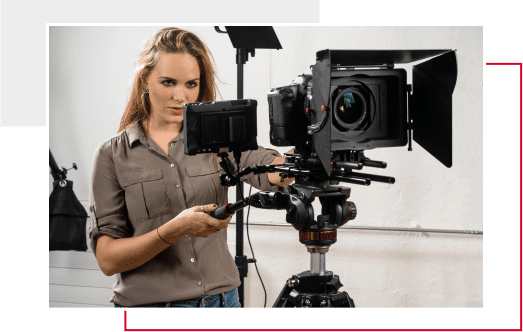
High-converting food content does not demand an expensive commercial film crew. Overly polished productions often look like traditional TV commercials, which modern viewers instinctively scroll past. Instead, prioritize agility and mobile-first execution.
- Hardware and Camera Settings: Modern smartphones shooting in 4K at 60 frames per second provide the ideal baseline. The higher frame rate allows for fluid standard playback while enabling crisp, 50% slow-motion stabilization in post-production for sauces, pours, and sears.
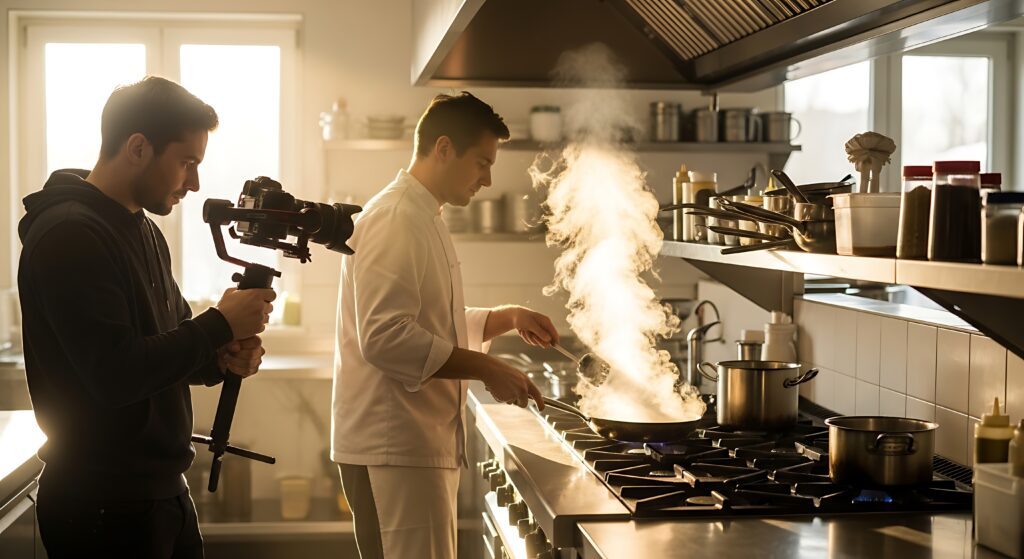
- Lighting and Audio: Avoid harsh overhead restaurant spotlights or dim yellow bulbs. Use natural window light during prep shifts, or position a small, warm-toned portable LED panel at a 45-degree angle slightly behind the plate to backlight steam and highlight surface texture. For audio, clip an inexpensive wireless microphone near prep boards, bar stations, or kitchen surfaces to capture crisp, immersive ambient sound.
- The Weekly Batch Workflow: Keep production frictionless by filming 15 to 20 short b-roll clips during non-service morning kitchen prep once a week. Capture two to three finished plates under optimal lighting right before the dining room opens. Store footage in shared folders organized by category, making it simple to edit and release three to four short videos weekly using trending audio.
Paid Video Funnels and Direct Reservation ROI
While organic reach drives local brand awareness, a structured paid video funnel actively converts views into tracked covers through reservation management systems like OpenTable, Resy, SevenRooms, or Toast.
To build an efficient acquisition funnel, start at the top by running localized video ads featuring high-energy dish builds and dining room energy targeted within a tight radius around the restaurant’s zip code.
From there, move engaged viewers into the middle of the funnel by creating custom retargeting audiences composed of users who watched at least 50% of the initial awareness videos. Deliver these viewers clips featuring seasonal menu drops, chef specials, or private event spaces to nurture intent.
Finally, capture the conversion at the bottom of the funnel with direct-response booking ads that carry clear calls to action, such as “Reserve for Friday Date Night” or “Book Weekend Brunch.” By linking these ads directly to timeslot booking pages using tracked URLs, operators can measure their exact cost-per-cover alongside traditional digital metrics.
Hospitality margins leave little room for speculative marketing investments. Video marketing delivers direct leverage for independent operators and multi-unit groups alike by compressing the distance between digital discovery and a seated guest. By treating the camera as a natural extension of the kitchen pass, restaurants transform casual local scrollers into repeat covers.
ZivZo’s Inhouse Video Production Team Is Ready When You Are! Call Today For More Information!