Supermarket Marketing: Navigating Trends, Tech & Execution
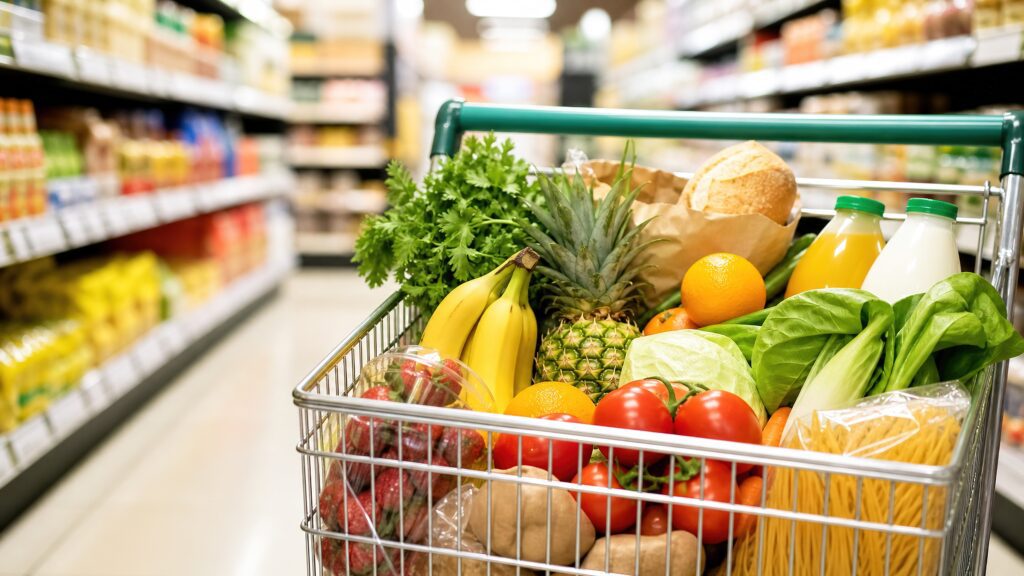
The supermarket industry is undergoing a profound structural evolution. Pressured by tight margins, value-conscious consumers, and rapid technological shifts, grocery retailers are rethinking traditional promotional strategies. Today’s winning supermarket marketing strategies blend data intelligence, immersive in-store tech, and targeted value propositions.
Key Trends
Retail Media Networks (RMNs) Become Core Profit Engines
Supermarkets are transforming their digital assets and physical footprints into high-margin media channels. By monetizing their extensive first-party shopper data, grocers offer Consumer Packaged Goods (CPG) brands targeted ad space—ranging from mobile app banners and digital circulars to smart cart screens and endcap displays. This converts routine customer traffic into lucrative advertising revenue while delivering hyper-relevant offers to shoppers.
Premium Private Labels Take Center Stage
Private label brands are no longer just cheap, white-label alternatives; they are core brand drivers. As cost-conscious shoppers seek value, supermarkets are heavily marketing their multi-tiered store brands—spanning budget staples, organic lines, and gourmet product offerings. Grocers use store brands to build store loyalty, boost profit margins, and differentiate themselves from direct competitors.
Hyper-Personalization Driven by AI and First-Party Data
Mass weekly circulars and generic coupon mailers are giving way to dynamic, AI-driven personalization. Retailers leverage loyalty program data, real-time app interactions, and purchase history to send individualized offers directly to consumers via mobile push notifications, SMS, or personalized digital circulars.
Dynamic Pricing via Electronic Shelf Labels (ESLs)
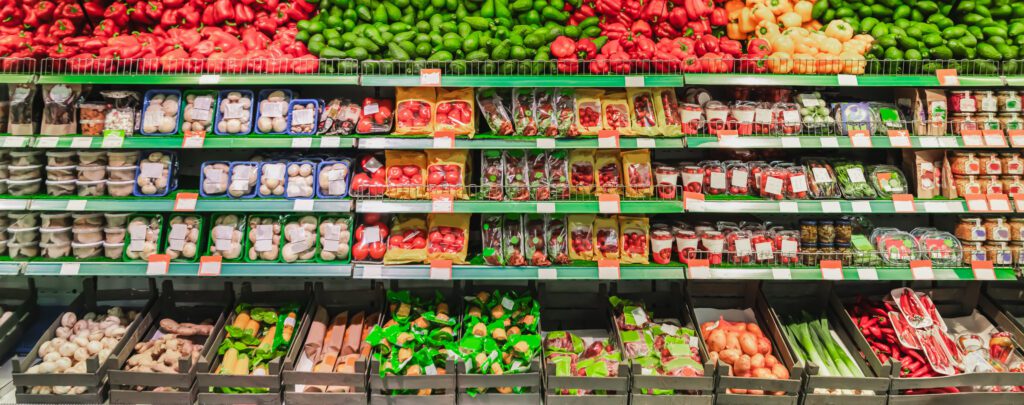
The widespread deployment of Electronic Shelf Labels (ESLs) allows supermarkets to update thousands of prices across an entire store in real time. Beyond operational efficiency, ESLs serve as a powerful marketing lever—enabling flash sales, time-of-day discounts to clear perishable goods, and dynamic price adjustments that match local competitor promotions instantly.
Seamless Omnichannel & Click-and-Collect Integration
While physical stores still handle the bulk of grocery volume, click-and-collect (curbside pickup) has cemented its role as the primary digital growth driver due to lower operational friction than direct delivery. Marketers focus on creating seamless bridges between online browsing and physical store pickup, utilizing in-app recommendations, quick-reorder features, and localized digital promotions.
Health, Wellness, and Sustainability Messaging
Modern consumers expect transparency, eco-friendly sourcing, and health-focused options. Supermarket marketing campaigns increasingly highlight functional foods, clean ingredients, local sourcing, and food waste reduction programs. Digital receipt options and sustainable packaging initiatives double as both operational improvements and brand-building statements.
Core Trend Comparison
| Marketing Trend | Primary Objective | Key Supporting Technology | Impact on Customer Experience |
| Retail Media Networks | Monetize shopper traffic & data | Ad platforms, digital signage | Displays personalized ad offers during shopping trips |
| Private Label Expansion | Improve margins & store loyalty | Category management tools | Provides high-quality, cost-effective options |
| AI Personalization | Increase basket size & retention | Machine learning, loyalty apps | Delivering relevant deals based on past behavior |
| Electronic Shelf Labels | Optimize pricing & agility | Cloud POS systems, e-ink displays | Guarantees price transparency & flash discounts |
| Omnichannel Integration | Maximize convenience | Unified commerce platforms, apps | Offers flexible fulfillment (curbside, in-store) |
Strategies for Implementation
To successfully execute these modern marketing trends, grocery operators must transition from isolated campaigns to an integrated, data-driven framework:
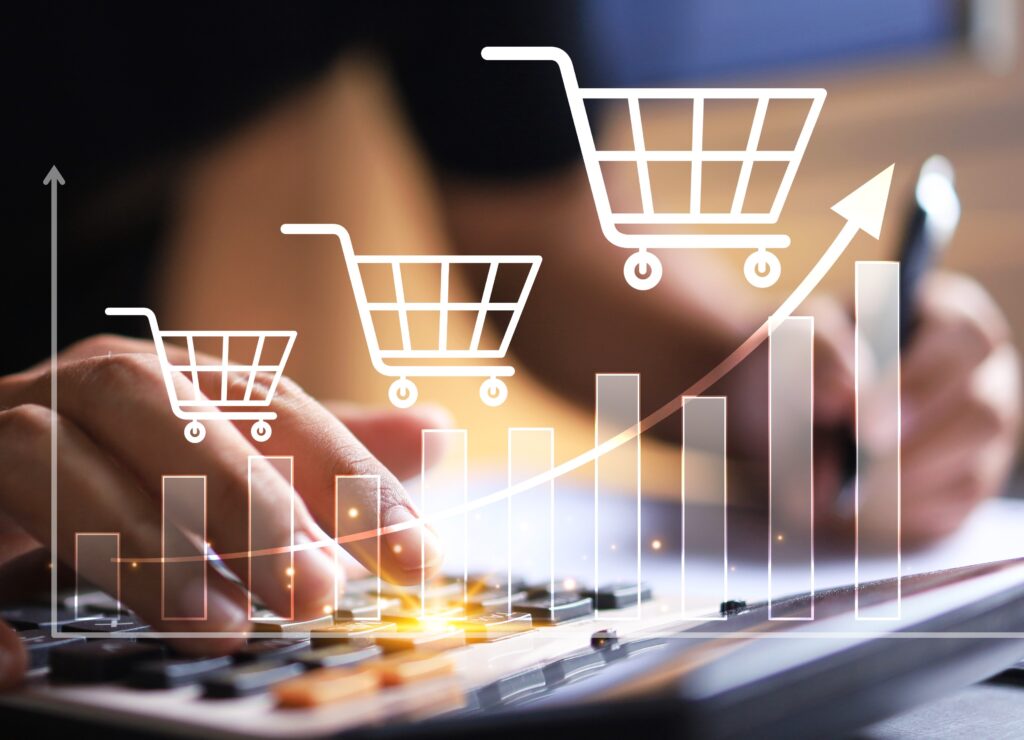
- Unify Customer Data First: Before launching targeted media networks or AI recommendations, audit and centralize point-of-sale (POS) systems, e-commerce platforms, and loyalty data into a single Customer Data Platform (CDP). Eliminating data silos ensures a unified view of customer behavior, preventing fragmented messaging and guaranteeing that personalized promotions are grounded in actual buying habits across every channel.
- Reinvent the Loyalty Program: Shift from simple point accrual to value-adding experiences. Forward-thinking grocers are adopting tiered memberships, personalized discount levels, early access to private-label launches, and sustainability rewards (such as incentives for digital receipts or reusable bags).
- Bridge Digital and Physical Stores: Deploy smart signage, Electronic Shelf Labels (ESLs), and app-based navigational tools to ensure digital offers translate directly into in-store conversions. Connecting online digital circulars and coupons to physical aisle displays ensures online engagement translates into higher basket sizes on the retail floor.
- Measure and Monetize First-Party Data: Establish robust closed-loop attribution metrics to demonstrate sales lift to CPG brand partners. Showing direct ROI from sponsored search, smart cart ads, and digital circular placements validates higher ad rates on Retail Media Networks and secures long-term vendor partnerships.
Contact ZivZo Today For Your Supermarket Marketing!